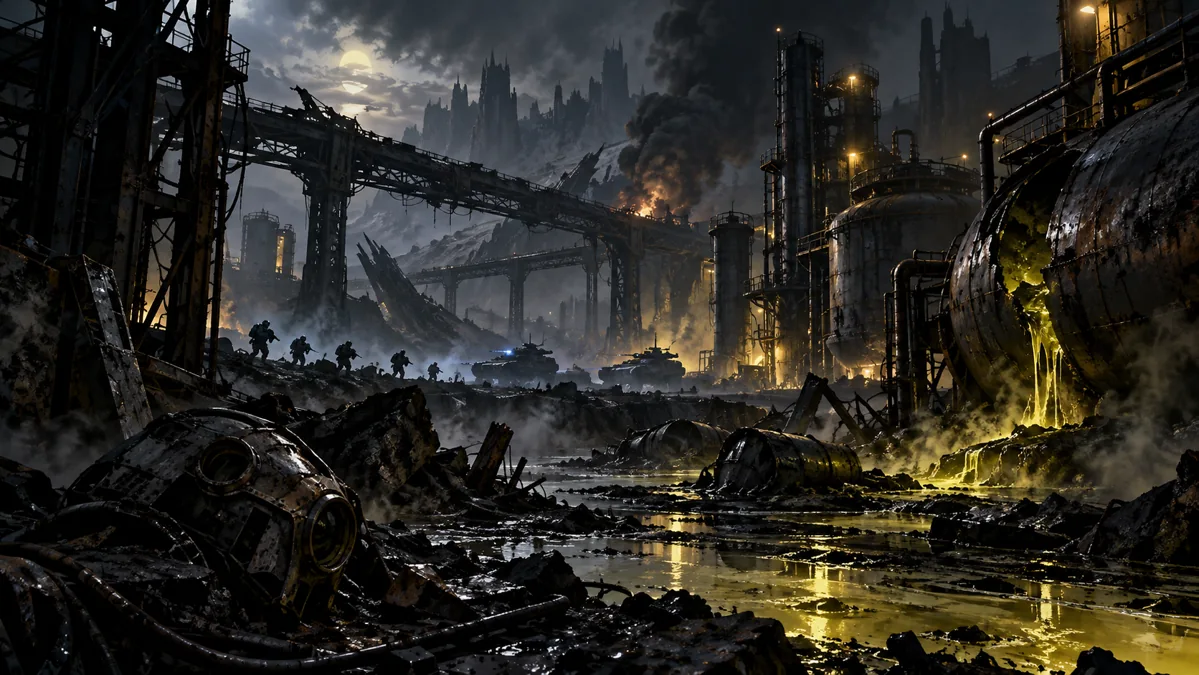
The Twenty-Second Chapter is not merely a source of unusual weapons in the Thoas campaign. It is an institution with habits, pride, and an uneasy relationship to Roboute Guilliman's wider vision for his Legion. Its Destroyer formations concentrate the novel's question about the proper limits of military force. They can end resistance, but the form of that ending matters to what comes afterward.
A specialist identity
Marius Gage describes the Twenty-Second as having a character outside the norm. Its specialised companies and its relationship to destructive warfare distinguish it from the image of disciplined reconstruction Guilliman wants to cultivate. That distinction is not a simple opposition between competent and incompetent soldiers. Hierax understands military necessity and takes the Chapter's contribution seriously. His resentment comes partly from believing that necessary work is being treated as an embarrassment.
The Second Destroyers embody the most concentrated form of that problem. Hierax proposes them as a rapid answer to Thoas's ork infestation. Guilliman counters that such an answer would destroy more than the immediate enemy. The permanent effects of the weapons would undermine recovery of the world and its human remains. Their dispute is therefore about the legacy of victory as much as its speed.
Appointment and humiliation
Guilliman's elevation of Eleon Iasus makes the disagreement personal and organisational. Hierax is the senior captain of a leaderless Chapter, but an outsider is appointed over him. The ceremonial transition does not remove the injury felt by officers and troops. Annandale gives that injury time to develop into bitterness rather than treating it as an obstacle that a formal order can instantly resolve.
Gage recognises the possible battlefield consequences. An army can obey in form while suffering from reduced trust, hesitation, and conflicting interpretations. The Chapter's specialists want their worth demonstrated. Guilliman wants a change in their outlook. Iasus must command inside the tension between those two aims.
Doctrine under strain
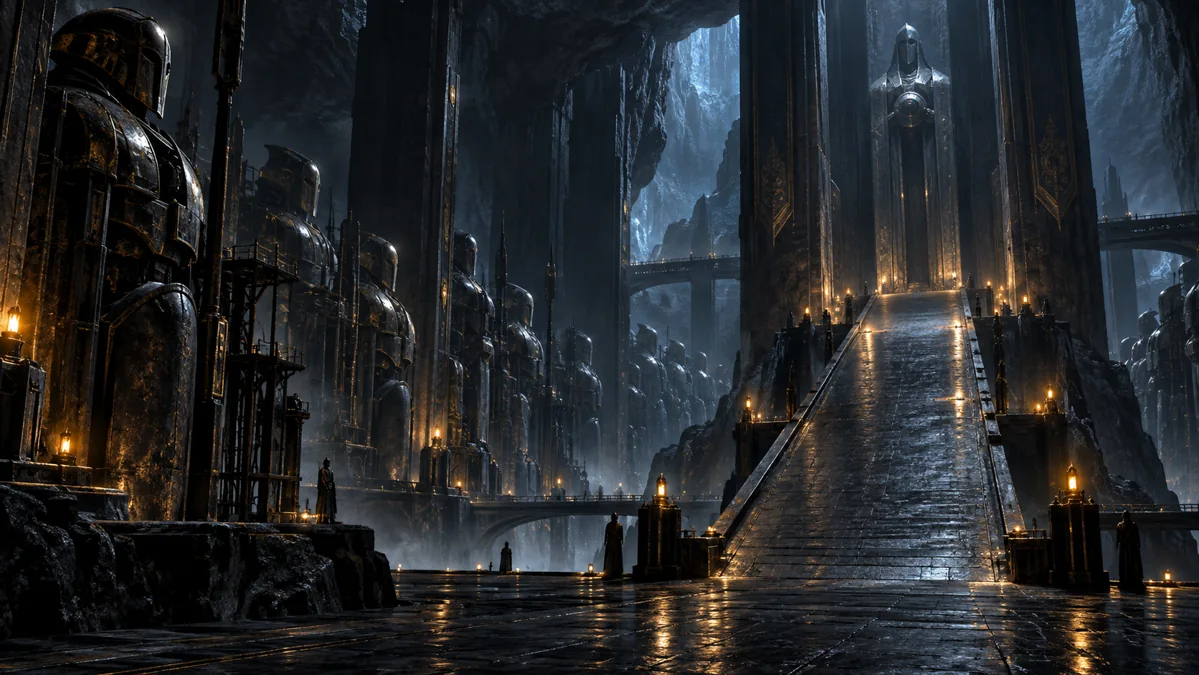
The fight makes this an operational issue. Sirras presses for a course he believes will accelerate the destruction of the orks, while Iasus maintains the intended position and preserves the larger plan. Sirras's later disregard for orders shows how a dispute over methods can become a failure of coordination. The consequences are not confined to bruised feelings aboard a ship. They affect tunnels, structures, troops, and the unfolding campaign.
Hierax watches the changing battle from the Cavascor. His concern is complicated by his desire for the Destroyers to be vindicated. He is not a detached analyst, but neither is he simply waiting for disaster. The novel gives him a recognisable conflict between loyalty to the Legion, responsibility for his men, and resentment toward the decision that has displaced him.
Necessity reconsidered
As the underground installation becomes more intelligible, Hierax develops a useful hypothesis about its weapons. Guilliman authorises the Second Destroyers to deploy for a specific purpose. Their expertise is now relevant to a dangerous and concealed military environment. The change gives the Chapter a role without requiring the reader to forget the opening danger of indiscriminate devastation.
The later tainting of part of the ruins also accompanies Guilliman's changing judgment of the site. What he once regarded as an intolerable loss no longer troubles him in the same way. That shift should not be simplified into an endorsement of every destructive method. It belongs to the wider reversal in his interpretation of Thoas's past.
The unresolved institutional question
The Twenty-Second's story asks whether reform can acknowledge the useful knowledge already held by those being reformed. Guilliman needs specialists whose values he questions. The specialists need to serve a purpose beyond proving themselves right. Iasus must turn this strained relationship into effective command while the battle repeatedly changes its terms.
The ending does not convert the Destroyers into a tidy moral lesson. Their presence helps the army survive a real problem, while their destructive capacity remains bound to the novel's warning about societies organised around war. They belong in the archive as participants in a complicated argument about force, memory, and what a military victory leaves behind.
Further reading
Read the original sources
David Annandale, Roboute Guilliman: Lord of Ultramar.
Original summary and analysis. No book text or artwork is reproduced.